Industrial Portable Restrooms
Heavy-duty, high-capacity units for plants and warehouses in Anniston, AL.
- ✓ Fast Deployment
- ✓ Reliable Servicing
- ✓ Durable Build
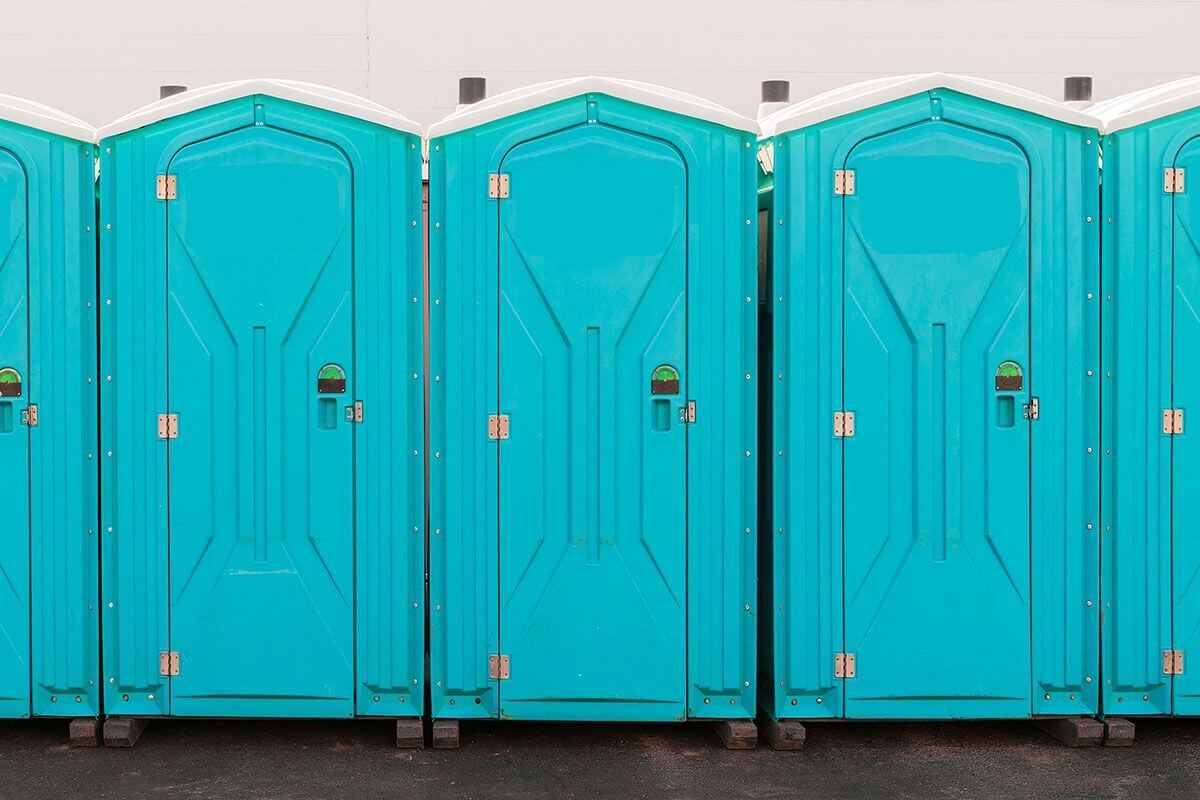
Heavy-duty, high-capacity units for plants and warehouses in Anniston, AL.
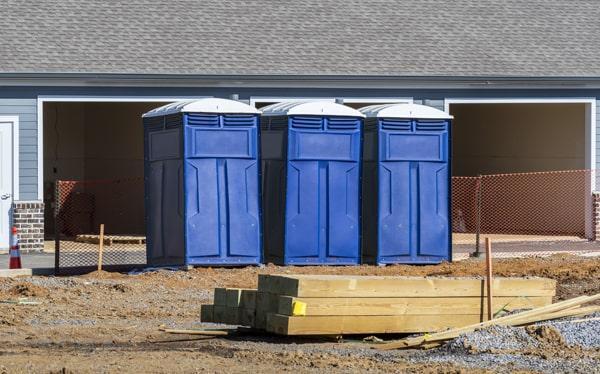
Industrial sites require portable restroom planning that respects both worker convenience and operational safety. Begin with the number of people on each shift, including contractors, maintenance personnel, and temporary crews. If operations run across multiple shifts, explain the schedule rather than giving only one daily headcount. The location of the unit should be practical for users but outside forklift routes, truck lanes, loading docks, rail areas, restricted zones, hazardous work areas, and emergency access paths. Some facilities have gate procedures, required escorts, specific delivery windows, or safety orientation requirements, so these should be communicated before delivery. For outage work, shutdowns, or major maintenance periods, usage can rise sharply for a limited time; make that clear in the rental discussion. An accessible portable restroom may also need to be considered based on the workforce and site requirements. The goal is to provide a usable sanitation point while preserving safe movement and normal operations around the unit.
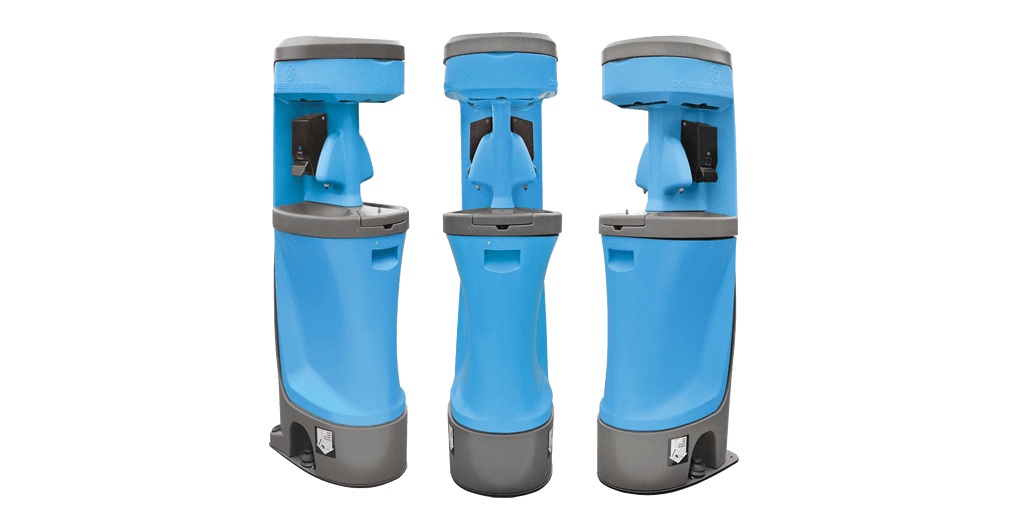
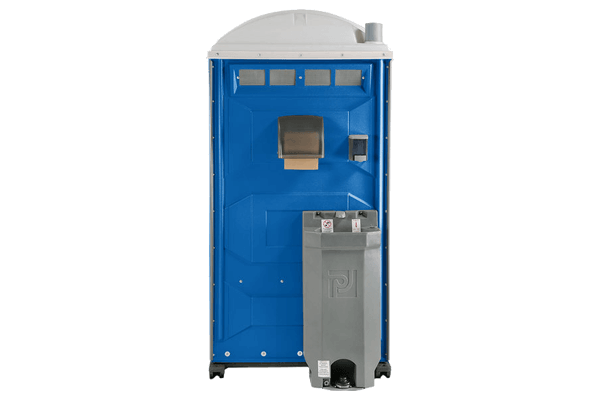
Access coordination is often the deciding factor in an industrial portable restroom rental. Confirm the delivery entrance, check-in process, contact person, acceptable arrival times, and exact placement area before the scheduled date. Make sure the planned route is clear of trailers, pallets, stored materials, and equipment. If the unit will be placed in a yard or on a gravel surface, identify the most stable available area and avoid drainage channels or active loading space. For extended industrial work, keep service access in mind as site conditions and security procedures evolve. Inform the rental provider if the workforce size changes significantly, if a new shift begins, or if the placement area needs to move. Handwashing stations may be useful where there is no nearby sink access or where the work environment calls for a dedicated hygiene location. A thorough quote request should include address, facility contact, duration, shift counts, safety requirements, surface type, route instructions, and desired unit options. Those details support a safer, more workable temporary restroom setup.